
Hospitality and Tourism Spanish: Beyond the Basic Phrases for Hoteliers
By Juliana Daniel / Mar 23, 2026

How to Define Your Social Media Marketing Goals
By Juliana Daniel / Mar 23, 2026
Snapchat for Business: Is It Worth It for Beginners?
By Juliana Daniel / Mar 23, 2026

Punctuality, Time, and 'Mañana': Navigating Different Concepts of Time in Business
By Juliana Daniel / Mar 23, 2026
Green Energy and Sustainability Terms Every ESG Professional Should Know in Spanish
By Juliana Daniel / Mar 23, 2026
Social Media Marketing Mistakes to Avoid as a Beginner
By Juliana Daniel / Mar 23, 2026
The Evolution of Social Media Marketing: A Brief History
Mar 23, 2026 By Juliana Daniel
Remember MySpace Tom? The Early Web Was Your Weird Digital Bedroom

Let's be real. Social media marketing wasn't some master plan. It started with us. Regular people plastering glitter GIFs and punk rock lyrics on our MySpace pages. No strategy. Just a desperate need to express ourselves. Brands? They were barely even there. If they were, it was awkward. Like a dad trying to use slang. The "marketing" was just having a profile and hoping people would friend you. It was the wild west. Beautifully chaotic. Fundamentally human.
Facebook & The Great Professional Shift: From Friends to "Audience"
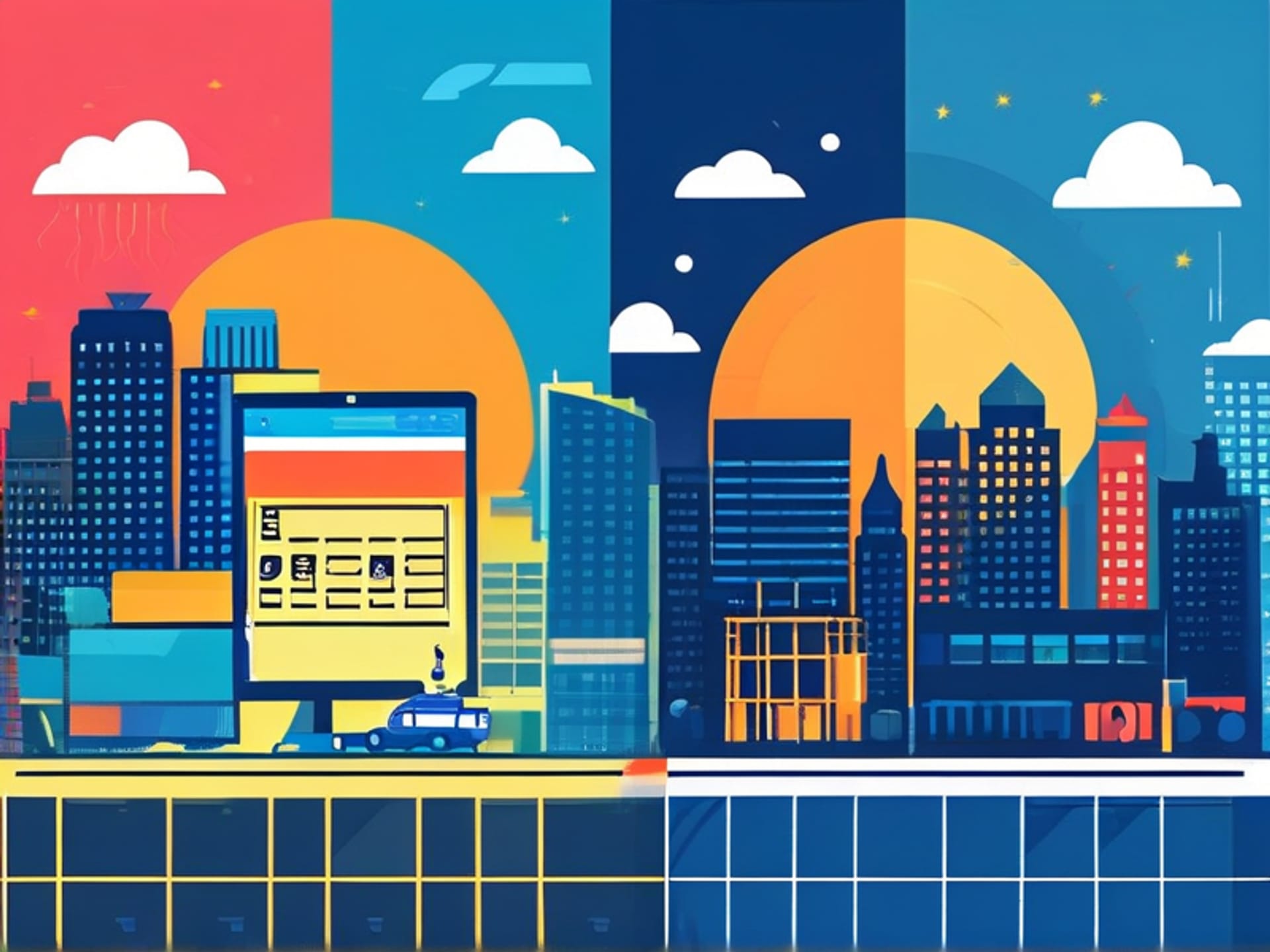
Then Facebook opened up to everyone. And I mean *everyone*. Your grandma, your boss... and every business on the planet. This is where it got serious. The "Like" button became a KPI. Profiles turned into polished "Pages." We stopped talking to friends and started "engaging an audience." It felt different. More calculated. Suddenly, you needed a content calendar. You scheduled posts. You ran your first ad targeting people who liked cats and yoga. The party in the digital basement was over. We were all in the boardroom now.
The Hashtag Era: Twitter & The Real-Time Hustle
Just as we were settling into Facebook's structure, Twitter blew the doors off. 140 characters. That's it. This forced a new kind of marketing: fast, smart, and in-the-moment. The hashtag went from a pound sign to a cultural weapon. Brands tried to be witty. Some succeeded (remember Oreo's "Dunk in the Dark" during the Super Bowl blackout?). Most failed spectacularly. But the rule was set: marketing wasn't just scheduled anymore. It was alive. It was happening right now, and you had to jump in or get left behind.
The Instagram Aesthetic: When Pretty Pictures Became a Business Model
Then came the visual revolution. Instagram made everyone a photographer. And every brand a lifestyle curator. Marketing became less about what you said and more about what you showed. The aesthetic was everything. That perfectly staged flat-lay coffee shot wasn't just a photo; it was a brand statement. "Influencers" exploded onto the scene, turning their personal style into a billboard. This was the era of aspiration. You weren't selling a product; you were selling a feeling, a vibe, a filtered version of reality people desperately wanted.
It's Not About Platforms. It's About People. (Always Has Been)
Here's the thing everyone forgets. The platforms keep changing. Facebook, TikTok, whatever's next. They're just the venues. The core hasn't shifted since Tom Friended us all. It's about connection. It's about understanding what people care about and adding value to that conversation. Sometimes that value is a laugh. Sometimes it's useful info. Sometimes it's just making them feel seen. The brands that last are the ones who remember that. They talk *with* people, not *at* them. They build communities, not just follower counts. The tools evolve at lightning speed. But the human need to connect? That's the oldest story in the book
On this page
Remember MySpace Tom? The Early Web Was Your Weird Digital Bedroom Facebook & The Great Professional Shift: From Friends to "Audience" The Hashtag Era: Twitter & The Real-Time Hustle The Instagram Aesthetic: When Pretty Pictures Became a Business Model It's Not About Platforms. It's About People. (Always Has Been)
What Is Robo-Advisor Tax-Loss Harvesting?
By Kelly Walker / Mar 07, 2026
Discover the incredible potential of robo-advisors and tax-loss harvesting to maximize your investment returns. Get all the information you need to make an informed decision with this comprehensive guide.

The 5 Biggest Cultural Faux Pas North Americans Make in Spanish Business Settings
By Juliana Daniel / Mar 23, 2026
The 5 Biggest Cultural Faux Pas North Americans Make in Spanish Business Settings
What is Social Media Marketing? A Beginner's Introduction
By Juliana Daniel / Mar 23, 2026
What is Social Media Marketing? A Beginner's Introduction
The Evolution of Social Media Marketing: A Brief History
By Juliana Daniel / Mar 23, 2026
The Evolution of Social Media Marketing: A Brief History
The Basics of Social Media Advertising for New Marketers
By Juliana Daniel / Mar 23, 2026
The Basics of Social Media Advertising for New Marketers

What Is the Alternative Investment Market (AIM)?
By Rick Novak / Feb 01, 2026
AIM, or the Alternative Investment Market, is a financial market that offers investors access to a different set of investments than what's available on traditional exchanges.